How to Rebuild Your Life After Domestic Violence
Learn how to rebuild your life after domestic violence through healing, support, self-confidence, boundaries, financial independence, and finding your voice again.
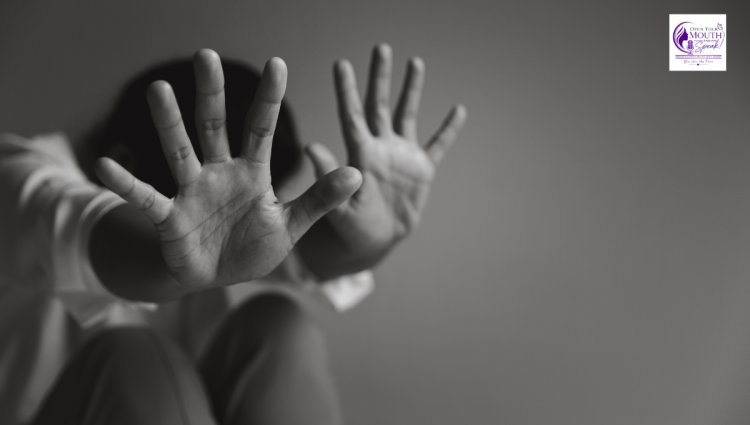
Leaving an abusive relationship can be one of the most difficult steps a person ever takes. But for many survivors, leaving is not the end of the journey—it is the beginning of a new one.
Rebuilding your life after domestic violence takes time, patience, support, and courage. You may be learning how to feel safe again, make your own decisions, rebuild relationships, manage finances, regain confidence, or simply discover who you are outside of the abuse.
If you are on this journey, remember one important thing: you do not have to rebuild everything at once.
Healing happens one step at a time.
At Open Your Mouth And Speak!, we believe every survivor deserves the opportunity to heal, rediscover her voice, and move toward a life filled with purpose, confidence, and freedom.
What Does Rebuilding Your Life After Abuse Mean?
Rebuilding does not mean pretending the past never happened.
It means creating a future where abuse no longer controls your choices.
For one person, rebuilding may mean finding safe housing. For another, it may mean returning to work, reconnecting with family, developing healthy relationships, or learning to trust themselves again.
There is no single timeline for domestic violence recovery.
Your healing journey belongs to you.
1. Start With Safety
Before focusing on long-term goals, make safety a priority.
If you have recently left an abusive relationship—or are planning to leave—consider speaking with a qualified domestic violence advocate about your situation and safety options.
Depending on your circumstances, safety planning may include identifying a safe place to stay, keeping important documents accessible, changing passwords, protecting financial information, and identifying trusted people you can contact.
If you are in immediate danger, call 911.
Remember: seeking help is not a sign of weakness. Protecting yourself is an act of courage.
2. Give Yourself Permission to Heal
After experiencing abuse, you may experience fear, sadness, anger, confusion, or even relief.
You may have good days followed by difficult ones.
That does not mean you are failing.
Healing from domestic violence is not always a straight line.
Be patient with yourself. You are recovering from experiences that may have affected your confidence, relationships, decision-making, and sense of safety.
Instead of asking, “Why am I not over this yet?” try asking:
“What do I need today to feel supported and safe?”
That small change in perspective can make a meaningful difference.
3. Rebuild Your Self-Confidence
Abuse often damages a person's sense of self-worth.
You may have spent months or years being criticized, controlled, blamed, or told that your feelings did not matter.
Now you have an opportunity to rediscover your voice.
Start With Small Decisions
Choose what you want to eat.
Decide what clothes you want to wear.
Make plans with someone you trust.
Explore a hobby.
Set a small personal goal.
These may sound like ordinary things, but making your own choices can be an important part of rebuilding your life after abuse.
Over time, small decisions can help rebuild confidence in your ability to trust yourself.
4. Reconnect With Supportive People
Abuse can leave survivors feeling isolated.
Some people lose contact with friends or family during an abusive relationship. Others may withdraw because they feel embarrassed or worry that people will judge them.
You don't have to reconnect with everyone.
Start with the people who make you feel respected, safe, and heard.
A supportive friend, family member, counselor, advocate, mentor, support group, or faith community can become an important part of your healing network.
You deserve relationships where your voice matters.
5. Learn to Set Healthy Boundaries
After experiencing control, learning about boundaries can be empowering.
A boundary communicates what you will and will not accept.
For example:
“I am not comfortable with that.”
“I need time to think about it.”
“I don't want to discuss this right now.”
“No.”
You do not have to explain every boundary repeatedly.
Healthy boundaries are not about controlling other people. They are about understanding your own needs and protecting your well-being.
6. Work Toward Financial Independence
Financial abuse can make rebuilding especially challenging.
If you are able to do so safely, consider developing a plan for financial independence.
This might include:
- Creating a personal budget
- Exploring employment or education opportunities
- Opening an account in your own name
- Building an emergency fund
- Learning about available community resources
- Seeking professional financial guidance
You do not need to achieve financial independence overnight.
Even small steps can create greater stability and confidence.
7. Rediscover Your Purpose
Domestic violence can cause a person to lose sight of their dreams.
Maybe there were things you wanted to do before the relationship became controlling.
Maybe you stopped pursuing your education, career, hobbies, friendships, or personal goals.
Now is an opportunity to ask:
“What kind of life do I want to create?”
Your answer does not have to be perfect.
Start with something small.
Learn something new. Take a class. Start writing. Volunteer. Explore a career interest. Spend time doing something that makes you feel like yourself again.
Rebuilding your life is not only about recovering from the past. It is also about creating a future that reflects who you are becoming.
8. Consider Professional Support
There is strength in asking for help.
A qualified therapist, counselor, domestic violence advocate, support group, mentor, or life coach can provide encouragement and practical guidance.
Professional support may help you work through emotional challenges, rebuild confidence, establish goals, and develop healthier patterns.
For survivors who want additional encouragement and empowerment, Open Your Mouth And Speak! offers mentorship for survivors of abuse, empowerment and healing workshops, life coaching, community outreach, and resource navigation.
9. Rediscover Your Voice
One of the most powerful parts of recovery can be learning to speak up again.
Abuse may have taught you to stay quiet to avoid conflict.
Healing can teach you that your thoughts matter.
Your experiences matter.
Your boundaries matter.
Your dreams matter.
Your voice matters.
You don't have to become someone completely different. Sometimes rebuilding means reconnecting with the person you were before the abuse—and discovering an even stronger version of yourself.
10. Give Yourself Time
There may be pressure to “move on” after leaving an abusive relationship.
But healing doesn't have a deadline.
Some days you may feel strong. Other days may bring memories, sadness, anger, or uncertainty.
Give yourself grace.
Celebrate progress that other people may not see.
Getting through a difficult day is progress.
Asking for help is progress.
Setting a boundary is progress.
Choosing yourself is progress.
Frequently Asked Questions
1. How long does it take to recover from domestic violence?
There is no universal timeline. Recovery depends on the person's experiences, support system, circumstances, and emotional needs. Healing can take time, and setbacks do not mean you are going backward.
2. How can I rebuild my confidence after abuse?
Start with small, independent decisions and goals. Reconnect with supportive people, practice healthy boundaries, recognize your accomplishments, and consider professional support when needed.
3. Is it normal to still miss an abusive partner?
Yes. People can have complicated feelings about someone who harmed them. Missing someone does not mean the abuse was acceptable or that returning is the right choice.
4. Where can survivors find domestic violence support?
Survivors can reach out to local domestic violence organizations, advocates, shelters, counselors, trusted community organizations, and national support services. If there is immediate danger, call 911.
5. Can life become better after domestic violence?
Yes. Healing may take time, but survivors can rebuild confidence, relationships, independence, purpose, and hope. Your past does not have to determine your future.
Your Next Chapter Can Begin Today
Rebuilding your life after domestic violence is not about becoming the person you were before the abuse.
It is about discovering who you are now—and giving yourself permission to build a future based on safety, dignity, purpose, and freedom.
You do not have to have every answer today.
Take one step.
Then another.
And when you need support, reach out.
At Open Your Mouth And Speak!, our goal is to encourage women and girls to find their voice, embrace healing, discover their purpose, and move forward with confidence.
Open Your Mouth And Speak!
Monica DeJesus — “Monica the Motivator”
Faith-Based Speaker | Author | Life Coach
Services include:
Empowerment & Healing Workshops | Mentorship | Life Coaching | Community Outreach | Resource Navigation
Phone: 843-263-2202
If you or someone you know is in immediate danger, call 911. For domestic violence support and safety resources in the United States, consider contacting the National Domestic Violence Hotline.
You survived. You are worthy of healing. And your next chapter is still yours to write.
What's Your Reaction?